
As mobility becomes increasingly digital, traffic information is no longer limited to roadside signs and information boards. Travellers expect accurate, real-time updates through the navigation apps and digital services they use every day. In the Netherlands, public and private organisations work together to ensure that digital traffic information is reliable, accessible and capable of supporting safer and more efficient travel.
Geplaatst op 08 september 2026
Once mobility data is available and organisations are working together, the next step follows naturally: digital traffic information.
More and more road users rely on navigation apps and digital services for traffic information. As a result, the role of road authorities is changing as well. A road closure is only truly visible once it is available not only on the road itself, but also through digital channels.
Around the world, growing attention is being paid to real-time traffic information, data sharing and the integration of traffic management systems with navigation platforms.
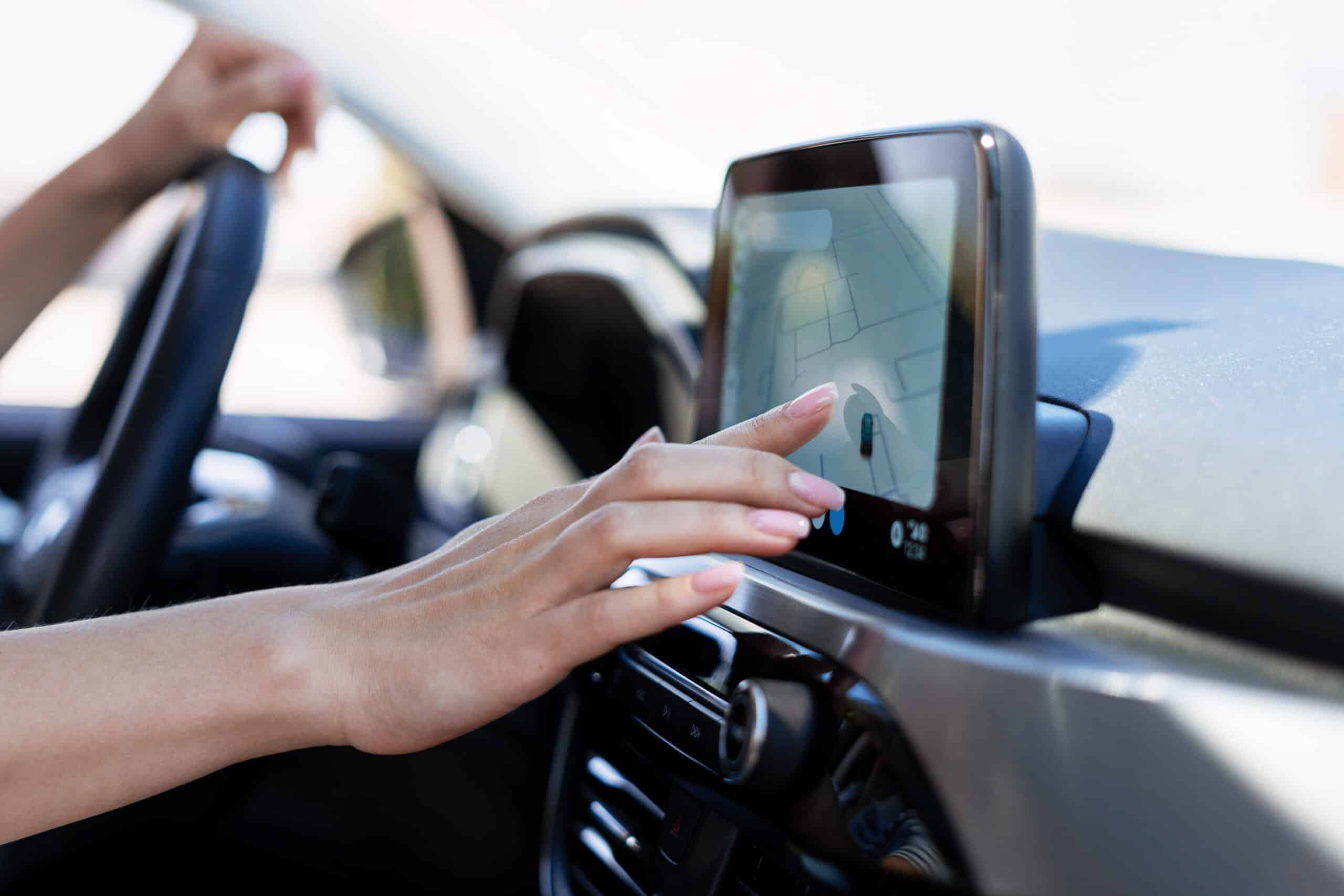
Traffic information is no longer confined to roadside signage. Travellers increasingly expect accurate and up-to-date information through the digital services they use every day.
It is precisely at the intersection of data, traffic management and collaboration that the Netherlands has built considerable practical experience. Government bodies, road authorities and private-sector organisations work together to improve the quality, reliability and availability of digital traffic information.
This development also reflects a broader shift in mobility innovation. Technology is becoming less of a goal in itself and more a means of delivering societal value.
The focus is increasingly on:
- Improved accessibility
- More efficient use of infrastructure
- Greater road safety
- Better traveller information
- More sustainable mobility
Digital traffic information demonstrates how data and collaboration can deliver tangible benefits for travellers. By making reliable information available in real time, road users can make better-informed decisions before and during their journeys.
The Dutch approach shows how public and private stakeholders can work together to create a connected mobility ecosystem in which digital services actively support the movement of people and goods.