
How do you make mobility data not just available, but genuinely usable?
Geplaatst op 29 oktober 2026
How do you make mobility data not just available, but genuinely usable? In the first article of Dutch Mobility in Practice, we saw that available information is not automatically usable information. When roads are closed for works, information about the closure must not only be available digitally, but also reach the parties and systems that can act on it.
The question goes much wider than that.
Every day, data is used to organise our mobility system. Traffic flows, journey times and information from different systems help road authorities, traffic managers and mobility services to see what is happening on the network.
But a data source does not direct traffic, and it does not make decisions.
So the challenge is not only how we make mobility data available, but above all what has to happen before someone can use it.
In Dutch Practice
Good information as a starting point
Traffic management makes that question concrete.
To know what is happening on a network, you usually need information from several sources. That information must be available to other systems, combined where necessary, and finally reach the party that has to work with it.
It is not just a matter of having more data. The question is above all which information a particular application needs, and how that information moves along the chain.
From observing to acting
What this means in practice becomes clear when you set the steps side by side.
First, information about what is happening on the road has to be collected. Then different data and systems must be able to work together. And finally, that information has to be usable for taking action.
Within the Connekt network, different organisations work on different parts of that chain.
SWARCO shows with LiDAR technology how traffic situations can be observed in real time. The technology records traffic movements and turns them into data that traffic management systems can use, for example to adjust traffic lights to the current traffic situation.
Technolution Move shows with its MobiMaestro platform how multimodal traffic management can respond to local mobility challenges. The platform integrates with existing systems and infrastructure and connects data sources with traffic management centres. This allows cities and regions to manage different flows of traffic in a coordinated way.
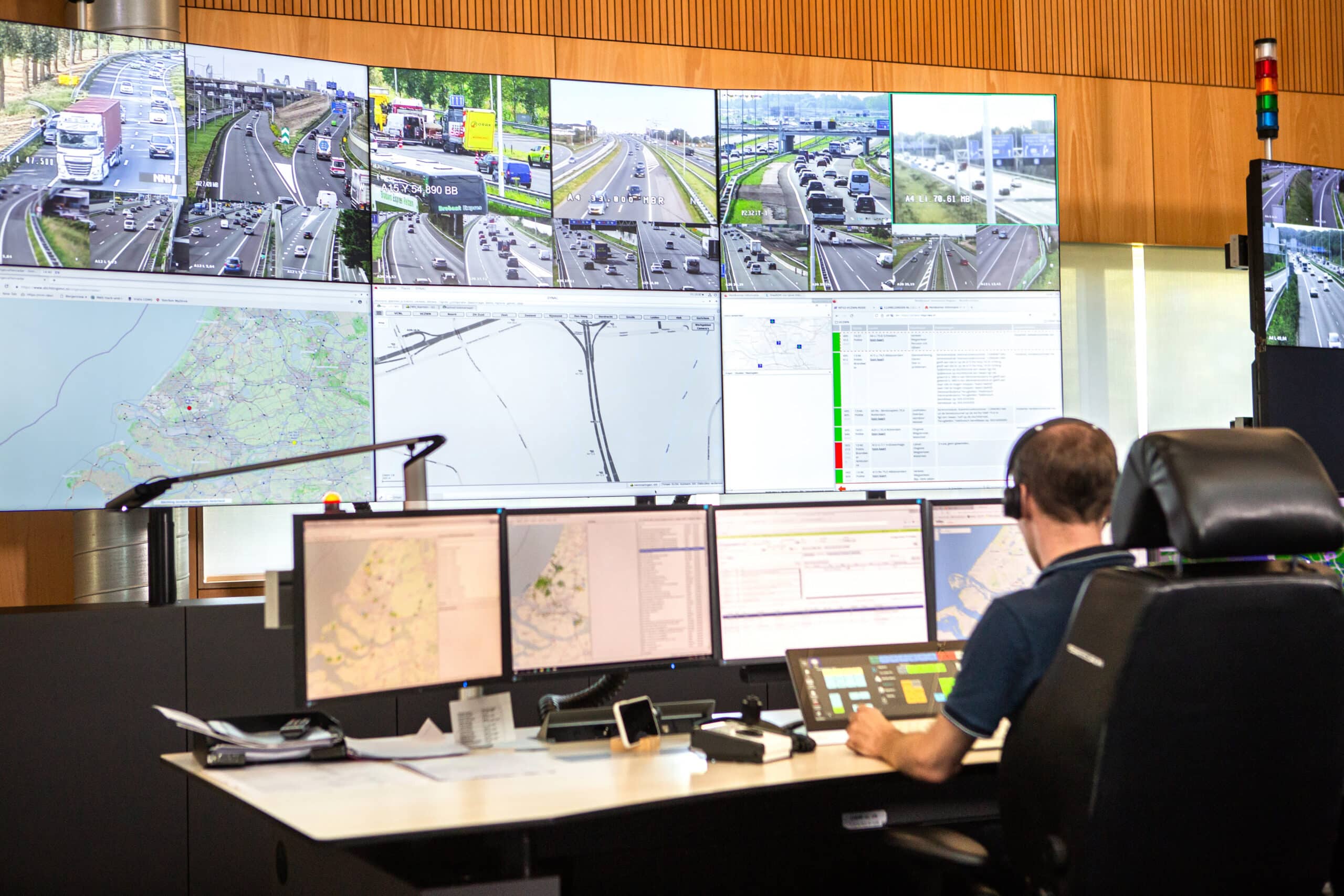
Haskoning shows with Flowtack how real-time traffic data can be used to manage traffic. The software adjusts traffic lights across a whole network to the current traffic situation. Within Mobilidata, which aims for safer, smoother and more sustainable traffic, Flowtack is being introduced at more than 100 locations.
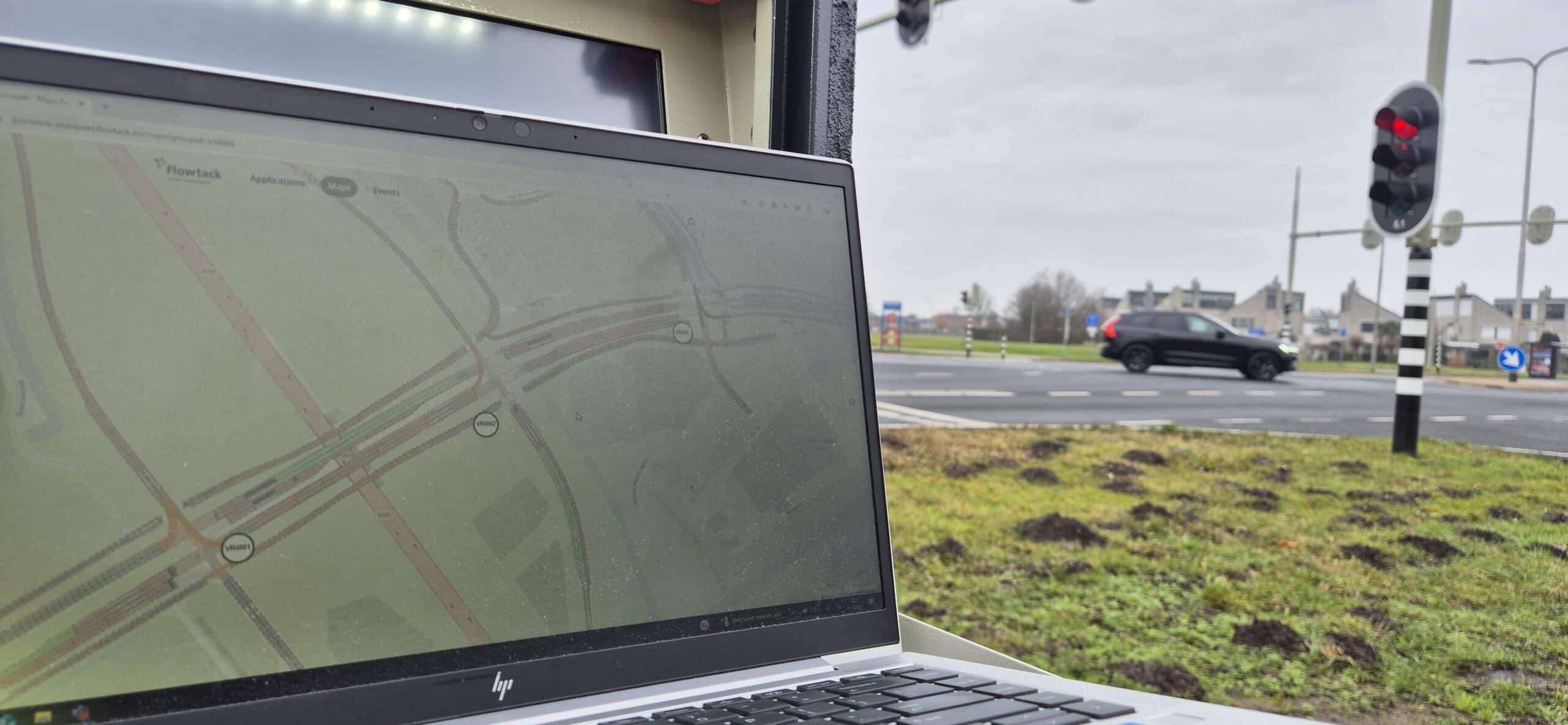
The examples differ, but they share a common thread: data gains practical value when information is not only collected, but can also be brought together and used.
Then the practical questions begin
Technology alone does not solve this challenge.
Between a data source and an application sit different systems and organisations. Once information crosses those boundaries, other questions arise. Which information is needed? Can systems work with it? And does it reach the place where something can actually be done with it?
As a result, mobility data is less and less a standalone digital product. It becomes part of the everyday running of the mobility system.
That is why the question is ultimately not how much data is available, but whether the whole chain from information to application works.
What Are We Learning?
Three Takeaways
- 01.Start with the application
Making more data available is not a goal in itself. Which information has value depends on who ultimately needs it and what for. - 02. Look at the whole chain
Between what happens on the road and an application sit various data sources, systems and organisations. Data only gains practical meaning when these parts connect. - 03. Mobility data calls for cooperation
Technical links are only one part of the challenge. Once information is used across organisational boundaries, agreements on roles and responsibilities become important too.
What Travels Beyond the Netherlands?
Context differs from country to country and region to region. Road management may be organised differently, the available traffic data varies, and the relationship between public road authorities and commercial parties is not the same everywhere.
So the most interesting part may not be the solutions themselves, but the questions behind them:
- Do we know what the data will ultimately be used for?
- Can different data sources and systems be connected?
- Does the information reach the party or system that has to work with it?
- Is it clear who has which role between the data source and the application?
- And does the information ultimately lead to something that can be used in practice?
These are not uniquely Dutch questions. By exchanging experience between countries and regions, we can better understand what it takes to make available mobility data genuinely usable.
Dutch expertise in this field
SWARCO, Technolution Move and Haskoning, illustrate different sides of this challenge in this article: collecting and connecting new traffic data, bringing together information from different sources and systems, and using real-time data to manage traffic.
They represent only part of the wider Dutch ecosystem. Within Connekt | ITS Netherlands, many more public and private organisations work on mobility data, traffic management, infrastructure and digital mobility services.
Let’s Connect
Are you working on a similar challenge internationally?
Smart Mobility Embassy is the international community of Connekt | ITS Netherlands. Through our network, we connect international partners with relevant Dutch knowledge and expertise in mobility and logistics.
If you are tackling a comparable challenge and would like to exchange experience with Dutch partners, we would be glad to put you in touch with suitable experts from our network.