
Robotaxis are attracting growing attention worldwide. From large-scale commercial operations in the United States to emerging pilots across Europe, autonomous mobility is moving closer to everyday reality. Yet the most important question may not be how advanced the technology has become, but what societal challenges it can help address. What lessons can international developments offer for the future of mobility in the Netherlands?
Geplaatst op 06 augustus 2026
This summer, Smart Mobility Embassy of Connekt is sharing international developments that may be relevant to the Dutch mobility ecosystem. Not to follow trends blindly, but to understand which lessons are interesting for the Netherlands.
One development currently attracting significant attention worldwide is the rise of robotaxis.
The discussion often focuses on technology: sensors, AI, HD maps and autonomous vehicles. But perhaps a more interesting question is: what societal problem are robotaxis actually trying to solve?
In the United States, Waymo is growing into a serious mobility provider. The company now provides around half a million autonomous trips per week across multiple cities and continues to expand rapidly. At the same time, the company is increasingly looking beyond the United States, with Europe emerging as a potential next step in its international expansion.
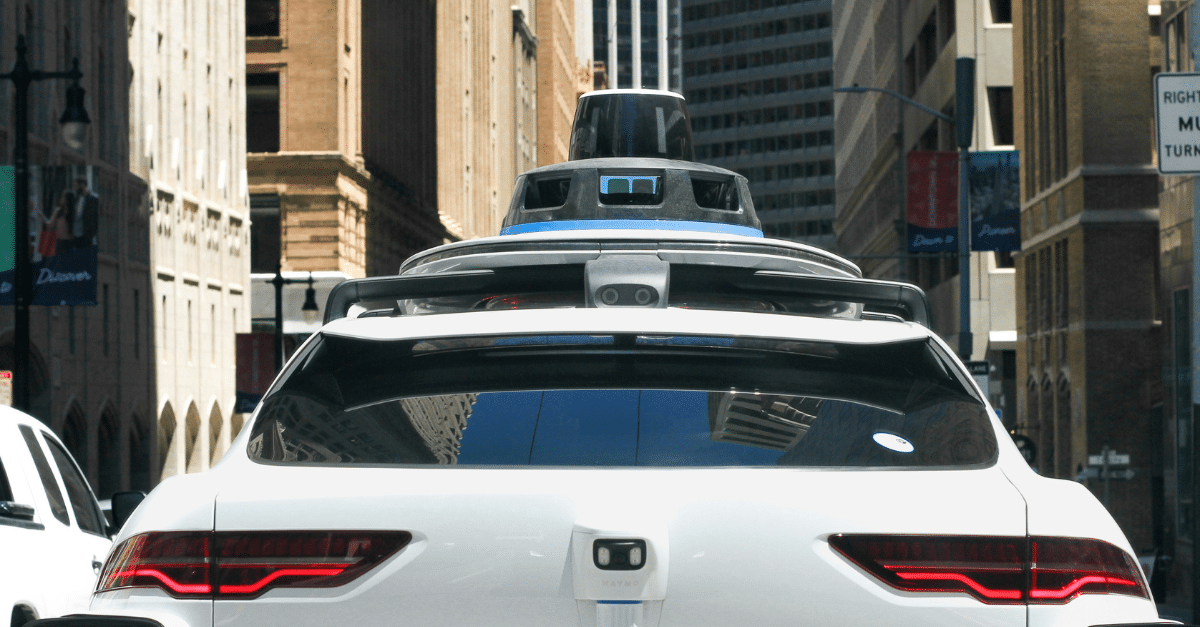
In the United Kingdom, Uber and British technology company Wayve have opened registrations for autonomous rides in London, bringing commercial deployment a step closer. London looks set to become one of Europe’s key testing grounds for robotaxis.
Meanwhile, several European cities are experimenting with automated transport. Hamburg is working on pilots involving autonomous mobility, while other regions are exploring how automation can contribute to accessibility, safety and efficiency.
Yet the biggest challenge does not appear to be technological. The key questions concern societal value:
- Can robotaxis help address staff shortages in public transport?
- Can they contribute to better accessibility in areas where public transport is under pressure?
- Do they make mobility more accessible for older people or those without a driving licence?
- Or do they simply add another transport option to urban areas that already have plenty of alternatives?
This is where an interesting difference emerges between the United States, China and Europe. While the focus in the US and China is often on rapid deployment and market growth, Europe places greater emphasis on regulation, public acceptance, safety and societal added value.
The same discussion is increasingly taking place in the Netherlands, where questions around new mobility technologies are shifting from what is technically possible to what societal value they create.
For the Netherlands, then, the question may not be: “When will we get robotaxis?” but rather: “Where can robotaxis genuinely contribute to better mobility?”
Ultimately, the success of autonomous mobility will likely be determined not by the technology itself, but by the problem it solves.