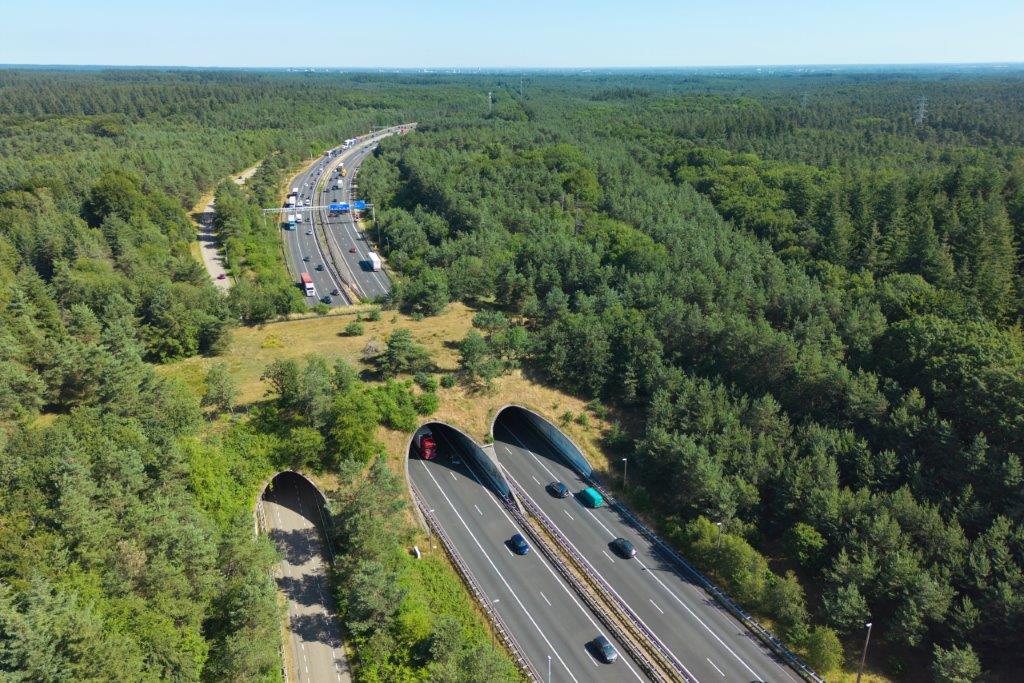
The Dutch are always on the move for their work as well as in their leisure time. That is why the Netherlands is always looking at new technologies to solve challenges in the area of transport, the environment and safety.
Think about developing self-driving vehicles or to improve in-car traffic information for drivers. This will reduce congestion and CO2 emissions, and improve road safety. Data is vitally important in this, so a lot of work is being done to improve data transmission and data quality. The Netherlands wants to take the lead in new initiatives like the Internet of Things, smart cities and connectivity.
The Netherlands is a unique testing ground for Smart Mobility solutions. That’s why the government is supporting their development in many ways, from providing testing facilities to adjusting rules and regulations. The aim is to make Smart Mobility possible on a larger scale. In the Netherlands, businesses, knowledge institutions and government are working on this together.
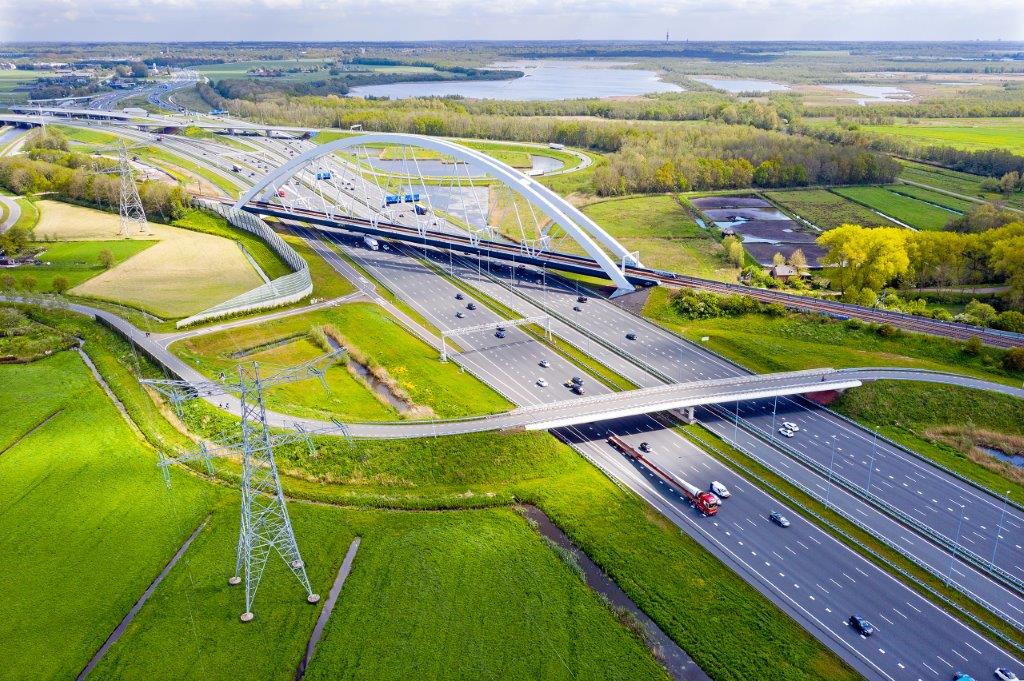
Facts & Figures
- Official name: Kingdom of the Netherlands
- Form of government: Parliamentary democracy (cabinet of Prime Minister and
Ministers) within a constitutional monarchy - Head of State: His Majesty King Willem-Alexander, King of the Netherlands, Prince of
Orange-Nassau - Capital: Amsterdam
- Seat of government: The Hague
- Administrative structure: The kingdom consists of four entities: The Netherlands and three
territories in the Caribbean: Aruba, Curaçao, and St. Maarten. - Number of provinces: 12. Special municipalities: The overseas islands of Bonaire, Saba and
St. Eustatius, all three of which are in the Caribbean. - Surface area: 33.893 km² land / 7.650 km² water
- Location: Western Europe – by the North Sea: bordering Belgium and Germany
- Number of inhabitants: 18.3 million (CBS April 2025) – per km²: 540 (CBS 2025)
- Monetary Unit: Euro (€)
- Languages: Dutch and Frisian (On the overseas islands also English and Papiaments)
- GDP per capita: approximately US$73,000 (IMF, World Economic Outlook 2025) or €63,000 per capita (Statistics Netherlands – CBS, 2024 national accounts).
- Unemployment rate: 3.9% (CBS, 2025)
- 90% of all Dutch people speak English
- 26% of the country is below sea level
How do the Dutch make a difference?
Through their interactive approach to finding innovative solutions to today’s significant challenges. The Dutch way of thinking and working has been shaped by centuries of living in the low-lying delta of the Netherlands. Through the ages, the Dutch have joined forces to find ingenious ways to tackle challenges like water, urbanization, energy, food, health, and security. The Dutch have created a flourishing and resilient land by being inventive, pragmatic, and open to new challenges. The Netherlands is a constantly evolving ecosystem of cities, industry, agriculture, and nature, all integrated through intelligent infrastructure. It is a source of knowledge and experience that the Dutch are keen to share with others. They are learning from the past to create a better future and seek sustainable solutions for the most liveable world together.
Worldwide ranking
- #1 worldwide in English proficiency (non-native speakers) (EF EPI, 2025)
- #1 global exporter of flowers and horticultural products (WUR / CBS, 2024)
- #2 global exporter of agricultural products (WTO, 2024)
- #5 largest exporter of goods globally (WTO / CIA World Factbook, 2024)
- #7 happiest country in the world (UN World Happiness Report, 2026)
- #8 globally in the Global Innovation Index (WIPO, 2025)
- #11 in the IMD World Competitiveness Ranking (IMD, 2025)
- Among the top 5–6 in EU GDP per capita (PPS, Eurostat 2024)
- Among the leading global FDI hubs, consistently ranking in the top tier for inward FDI stock (UNCTAD, 2024)